tk999 on a Budget Android Phone: What to Expect
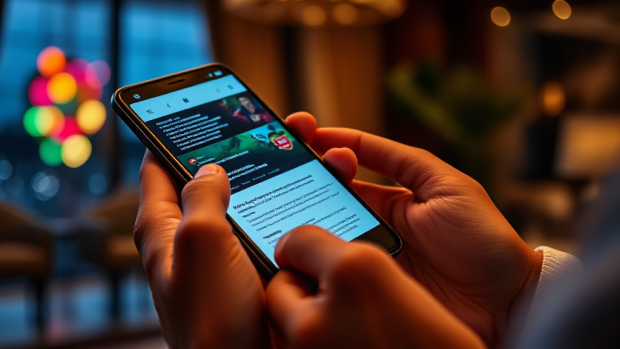
You pick up your phone around nine in the evening. It is a 32GB Android device you bought two years ago, the screen has a hairline scratch near the corner, and the storage bar in settings is sitting at ninety-one percent. You have a prepaid data pack with about two gigabytes left, and it has to last until Friday. This is the everyday reality for a huge number of smartphone users in Bangladesh, and it is the exact situation I want to talk about here. If you have been curious about tk999, the online betting platform built for Bangladeshi users, the question is not really whether it works at all. The real question is whether it works on the phone you actually own, on the connection you actually pay for.
I am not writing this from a flagship phone with unlimited fiber. I am writing it from the perspective of someone who has learned to treat storage, battery and mobile data as three separate budgets that all run out at the worst possible time. Below, I go through the constraints one by one and what you can realistically do about each. The platform itself is designed for mobile use, which helps, but a little planning on your side makes a noticeable difference.
Storage Space: The First Wall You Hit
The most common problem on entry-level Android phones is not speed, it is space. A 32GB device typically ships with only about 20 to 22GB actually usable after the system and preinstalled apps take their share. Add WhatsApp media, a few hundred photos, and one or two games, and you are already fighting for room. Installing a new app when you have under 1GB free can fail outright, or worse, it can succeed and leave the whole phone sluggish.
The workaround is straightforward but boring, and boring is what works. Before you download anything new, open your file manager and sort by size. WhatsApp’s media folder is almost always the biggest offender. Clear the forwarded videos you never watched. Move photos to a microSD card if your phone supports one, and if it does not, back them up to Google Photos and delete the local copies. Aim for at least 2GB of free space before you install anything, not the 500MB the system claims is enough.
One advantage of a mobile-first platform like tk999 is that it does not demand the storage that a heavy 3D game does. You are not looking at a multi-gigabyte download. Still, on a phone where every hundred megabytes counts, it is worth checking your free space first rather than after a failed install.
Battery Drain and Heat on Older Chipsets
Budget phones usually run entry-level chipsets, and those chips work harder and warmer than the ones in expensive handsets. Any app that keeps the screen on, maintains a live connection, and refreshes data will pull the battery down faster than casual browsing. If you start a session at 60 percent and the phone is also warm in your hand, you will feel the difference within twenty minutes.
There are a few practical habits that help. Lower your screen brightness manually instead of relying on auto-brightness, which on cheap sensors tends to run brighter than necessary. Turn off Bluetooth and location when you are not using them. Close background apps you are not returning to. If your phone has a battery saver mode, use it, but understand that aggressive saver modes can also delay notifications, so do not enable the most extreme setting if you are waiting on something important.
Heat matters too. A phone that is already warm from charging or from sitting in the sun will throttle itself, and everything feels slow. Give it a few minutes to cool before a longer session rather than pushing through it. This is not unique to any one app; it is simply how budget hardware behaves.
Data Usage: Making a Prepaid Pack Last
This is the constraint that hurts most, because data in Bangladesh is bought in packs and those packs are not cheap relative to income. If you are on a 2GB or 3GB bundle, you cannot afford to waste it on background activity. The good news is that a betting interface is mostly text, numbers and small graphics, not video. A page of odds and match listings uses a fraction of what a single minute of streaming video consumes.
What eats your data is everything around the app. Auto-playing videos in your social feeds, app updates running in the background, cloud photo backups, and large images loading at full resolution. Go into the Play Store settings and set apps to update over Wi-Fi only. Turn off auto-download of media in your messaging apps. If your phone allows per-app data restrictions, restrict the apps you rarely use.
It also helps to know what you are doing before you open the app. Scrolling aimlessly through screens burns data on page loads you did not need. Decide what you came for, check it, and close the app when you are done rather than leaving it running in the background. Small discipline, real savings over a month.
Screen Size, Touch Accuracy and Readability
Many budget phones have 6.5-inch screens with 720p resolution. That is a decent size, but the pixel density is low, which means small text can look soft and dense layouts can feel cramped. On a betting interface with lots of numbers, this matters more than you would expect. A misread digit or a mistapped button is annoying at best.
There are simple fixes. Increase your system font size one step in display settings. Use the browser or app zoom if text still feels tight. Clean your screen properly, because fingerprints on a low-resolution display make everything harder to read. And slow down your taps slightly; cheap touchscreens sometimes register a fast double tap as a single one, or vice versa.
If your phone supports a dark mode, consider using it in the evening. On an LCD panel it saves a little battery, and it is easier on the eyes when you are checking something at night with the lights off.
Registration, Login and Keeping Your Account Safe
Signing up on a budget phone is not complicated, but a few details are worth getting right the first time. Use a phone number and email you actually control and can access from the same device. If you forget a password and the recovery email is on an account you cannot open, you are stuck. Enable whatever two-step verification the platform offers, because a prepaid SIM can be lost or swapped, and account recovery is much harder without a second layer.
Be careful with public Wi-Fi. Free networks in tea stalls, buses and markets are convenient, but they are also where other people on the same network can snoop on unencrypted traffic. If you must use one, avoid entering passwords or payment details. Mobile data, even a small pack, is the safer choice for anything involving your account.
Keep your phone’s lock screen active. A budget Android with no PIN is an open door if it is lost or borrowed. And do not install the app from random links sent to you in messages; go to the official source so you know what you are installing.
If you want to see how the platform actually behaves on your own device before committing to anything, the sensible move is to load it, watch how much space it takes, how warm the phone gets, and how much data a short session consumes. Those three numbers tell you more than any review, including this one.
FAQ
Will tk999 run on a phone with only 2GB of RAM?
It can, but you should close other apps first. With 2GB of RAM, Android itself uses most of the memory, and a browser or app with several tabs open will push the phone into swapping, which makes everything stutter. Use one app at a time and clear recent apps before you start.
How much mobile data does a typical session use?
Much less than video streaming. Text, odds listings and small graphics are lightweight. A short session of browsing and checking a few markets typically uses only a few megabytes, provided you have disabled background app updates and auto-playing videos elsewhere on the phone.
Does it drain the battery faster than other apps?
Any app that keeps the screen on and maintains a live connection will use more battery than reading an offline document. On an entry-level phone, expect a noticeable but manageable drain. Lowering brightness, closing background apps and avoiding use while charging will keep it reasonable.
Is it safe to use on shared or public Wi-Fi?
It is better to use your own mobile data for anything involving login or payment details. Public networks can be monitored by others on the same connection. If you have no alternative, avoid entering sensitive information and log out when you finish.
Leave a Reply