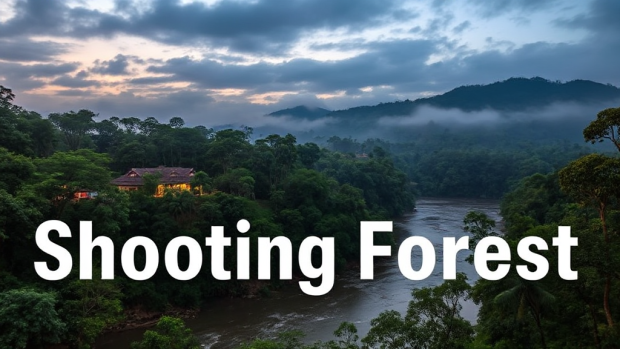
Shooting the Forest: Photography at Dandeli Jungle Resorts
First light at a jungle resort in Dandeli arrives as a soft grey hush, and then everything happens at once. Dew beads on the front element of your lens before you have even raised the camera, a Malabar giant squirrel chatters somewhere above the canopy, and the mist between the trees turns gold for perhaps four minutes before it lifts. Anyone who has packed for a forest stay with a camera knows the feeling: the forest wakes faster than you can focus, and the best frames are usually the ones you prepared for the night before.
That is the quiet advantage of staying inside the forest rather than driving in for a day trip. Properties listed through dandeli jungle resorts put you within walking distance of the trailhead, which means you can be on the path at first light instead of on a highway. This piece is a working shot list for a hobby photographer — what to shoot, when to shoot it, and how to keep your gear alive in a humid Western Ghats forest.
Dawn on the River: The Frames Worth Waking For
The Kali River is the spine of most photography in Dandeli, and dawn is when it performs. Arrive at the bank before sunrise and set up low, close to the water, so the river fills the bottom third of the frame and the far bank carries the mist. A 24–70mm lens handles most of this; you rarely need reach when the whole point is the width of the scene.
Wait for the light to hit the mist rather than the water. The contrast between a lit mist bank and a dark, still river is what makes the image read as a forest morning rather than a grey snapshot. Shoot a bracket of three exposures a stop apart — the dynamic range between bright sky and shaded water is wider than any single frame comfortably holds.
Birds arrive with the light. Kingfishers work the near bank, and egrets and cormorants move along the shallows. A 100–400mm zoom is the practical choice; anything longer becomes a tripod commitment you may not want on a moving boat. If your stay includes a river rafting session, treat it as a completely different photographic exercise — more on that below.
Gear note for the riverbank: mist is water. Keep a microfibre cloth in a zip pocket, not loose in the bag, and wipe the front element before every serious sequence rather than after. A lens hood does more for contrast in these conditions than any filter.
Under the Canopy: Forest Detail, Wildlife and the Light Problem
Inside the treeline, the light drops by several stops and turns green. This is where beginner forest photography usually fails: the camera meters for the bright gaps in the canopy and the subject goes to silhouette. Switch to spot metering, expose for the subject, and accept that the sky through the leaves will blow out — a white patch of sky is far less distracting than an unreadable animal.
Your best subjects under the canopy are often small and still. Fungi on a fallen log, leaf veins backlit by a single shaft of light, a spider web strung between saplings and holding the morning’s moisture — these reward a macro lens or a close-focusing standard zoom and a lot of patience. Get low, brace your elbows on your knees, and shoot at f/5.6 to f/8 so the detail holds across the frame.
For wildlife, the honest advice is that the forest gives you glimpses, not portraits. Langurs, hornbills, and the occasional deer appear briefly and at distance. Set your camera to continuous autofocus and a shutter speed of at least 1/500s before you walk, not after you spot something, because the moment is usually shorter than the time it takes to change settings.
This is also where the choice of property matters practically. Resorts such as Golden Eagle Jungle Stay and White Tusker Jungle Stay sit in settings where the forest edge begins a short walk from the cottages, so you can shoot the canopy light in the middle of the day without losing an hour to transport. If you are comparing stays, look at how close the treeline is rather than how grand the lobby is.
Gear Care in a Humid Forest: Keeping Glass Clear and Sensors Dry
Humidity is the real adversary in Dandeli, more than dust or rain. A camera taken from an air-conditioned room into warm, saturated forest air will fog its lens the way spectacles fog — sometimes for twenty minutes. The fix is boring and effective: leave your bag closed in the room overnight, and let the camera acclimatise inside the bag for fifteen to twenty minutes before you take it out. If you are staying in an air-conditioned cottage, keep the camera in the least-cool corner of the room.
Silica gel packs are cheap insurance. Keep two or three in the camera bag and swap them each evening; a small rechargeable dry box is even better if you have one. Never leave a lens standing open on a table overnight in the forest — condensation settles on the rear element as readily as the front, and fungus likes nothing better.
Rain is likely at some point, especially in the monsoon shoulder months. A rain cover for the camera body, or simply a clear plastic bag with a hole for the lens hood, will keep you shooting when others pack up. Carry a dry cloth in a sealed pouch and a second one for your hands. Wipe the body down at the end of each day, including the battery compartment seal and the lens mount, and let everything air-dry with the caps off in a closed room before you pack it away.
Batteries drain faster in cool, damp conditions, so carry two spares and keep them in an inside pocket rather than the bag. Memory cards are cheap; bring more than you think you need, because forest shooting produces far more frames than you expect — bracketing, bursts, and second attempts at the same leaf.
Rafting, Coracles and the Shot You Cannot Repeat
Many stays in this region bundle a river rafting session, and it is the single most demanding photographic situation you will meet on the trip. You are moving, the subject is moving, and water is coming at the camera from several directions. A waterproof action camera or a phone in a proper housing is the sane choice; a DSLR or mirrorless on a raft is a calculated risk that only makes sense with a dry bag and a very secure strap.
If you do bring the main camera, set a fast shutter speed — 1/1000s or quicker — and shoot wide, letting the raft and the river provide the composition. The frames that work are rarely of the rapid itself; they are of the faces, the paddles, the spray caught against a dark bank. Shoot a short burst as you enter each rapid and then put the camera away. There is no photograph worth a soaked sensor.
Back at the resort, the quieter water offers a second chance. Coracle rides and the still stretches near the bank are ideal for reflections, and late afternoon light on wet paddles and wooden hulls gives you texture that midday sun flattens. This is also the time to photograph the place itself — cottage verandas, lantern-lit paths, the silhouette of the treeline against a fading sky. Those frames are what make a travel set feel complete, and they are the ones guests most often forget to take.
Pack the camera down before dinner, clean the front element, and note what worked. The forest rewards the photographer who returns to the same bank on the second morning with a better plan, and a stay of two or three nights is what makes that possible. Choose your base for proximity to the river and the trail, keep your glass dry, and let the forest set the schedule — it will not wait, but it will repeat itself for anyone patient enough to be there at first light.
Leave a Reply